
Introducing: The Inner Courtyard
“I really hope each of these incense gives a small experience of wonder in the way skilfully blended incense sometimes can. A special masala incense can touch on something that feels ‘just right’ — and that's what we aim to offer with this collection.”
We're really delighted to offer the first in a series of our own collections. Dawn and Dusk are made up of exquisite incense we've chosen from across India and brought together under a single name: The Inner Courtyard.
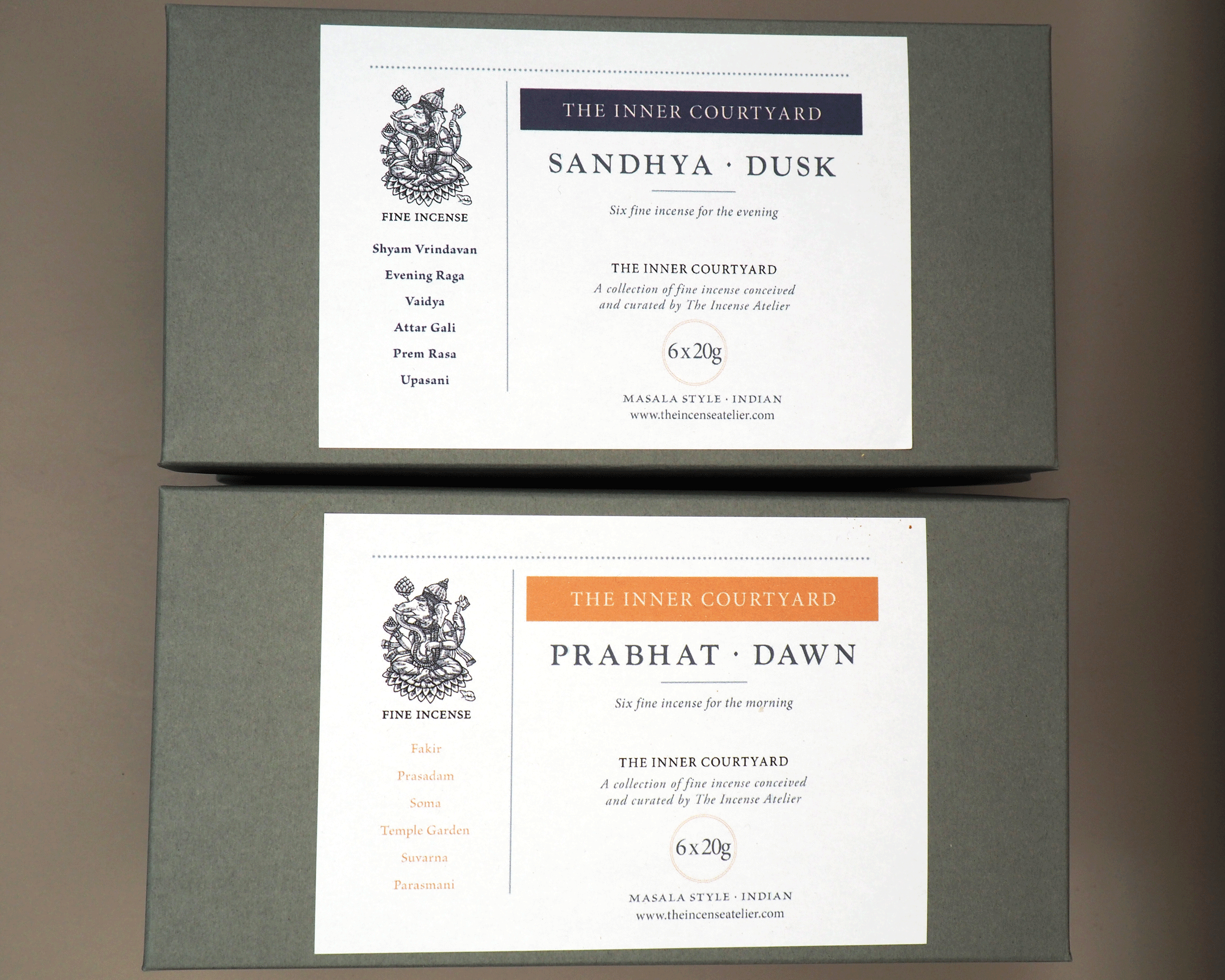
Two boxes of incense labelled Dawn (Prabhat) & Dusk (Sandhya).
Why a brand of our own
The idea evolved naturally, but we didn't want to just draw on our existing stock and re-brand it. That felt like the easy option, and not a very honest one. We set out instead to find makers whose work had rarely reached the West before.
Agarbatti-making is still a thriving craft in India, and over the last year we've sampled literally hundreds of incense from workshops large and small. Within our exploration we found a handful of producers making incense of quality and we selected twelve which really stood out for us.
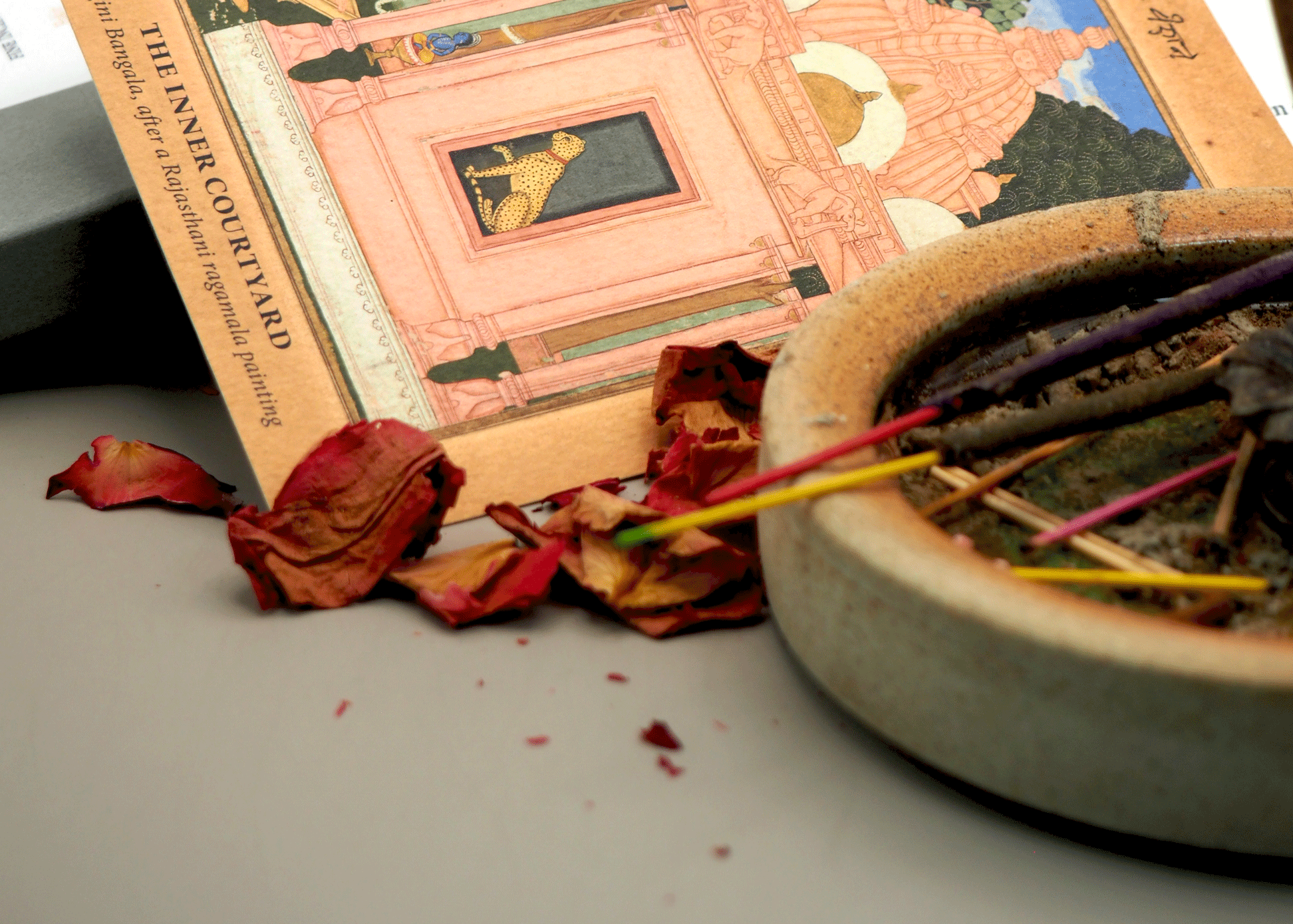
Postcard and ceramic dish with burnt incense.
What we chose, and why
We wanted at least one example of each of the classic scents — oudh, kasturi, rose, jasmine, sandalwood and so on — but our own tastes run more towards rich ambers and sandalwoods, and the collection reflects that.
It also had to be something people would enjoy burning, not just admire. In our descriptions we avoid words like "connoisseur" and "temple grade" which is just flattery and salesmanship. Instead, I really hope each of these incense gives a small experience of wonder in the way skilfully blended incense sometimes can. A special masala incense can touch on something that feels ‘just right’ — and that's what we aim to offer with this collection.
Each collection has six, 20g packets of incense.
Sandhya (Dusk), for the evening:
Shyam Vrindavan — sweet musk & sandalwood
Evening Raga — a rich floral with champa & patchouli
Vaidya — warm spice with a sharp edge
Attar Gali — dry, smoky oudh softened by sandal & rose
Prem Rasa — sweet & woody spice
Upasani — a deep, powdery amber
And Prabhat (Dawn), for the day:
Fakir — a dark, spiced Turkish rose
Prasadam — blue lotus with warm earth
Soma — rich amber, saffron & bright rose
Temple Garden — fresh garland flowers with sandal and a peppery green edge
Suvarna — sophisticated saffron & sandal
Parasmani — a sweet amber with aromatic woods and caramel
Of course, all of these can be used however you like, whatever the hour. The names are simply a suggestion based on their type, not a rule.
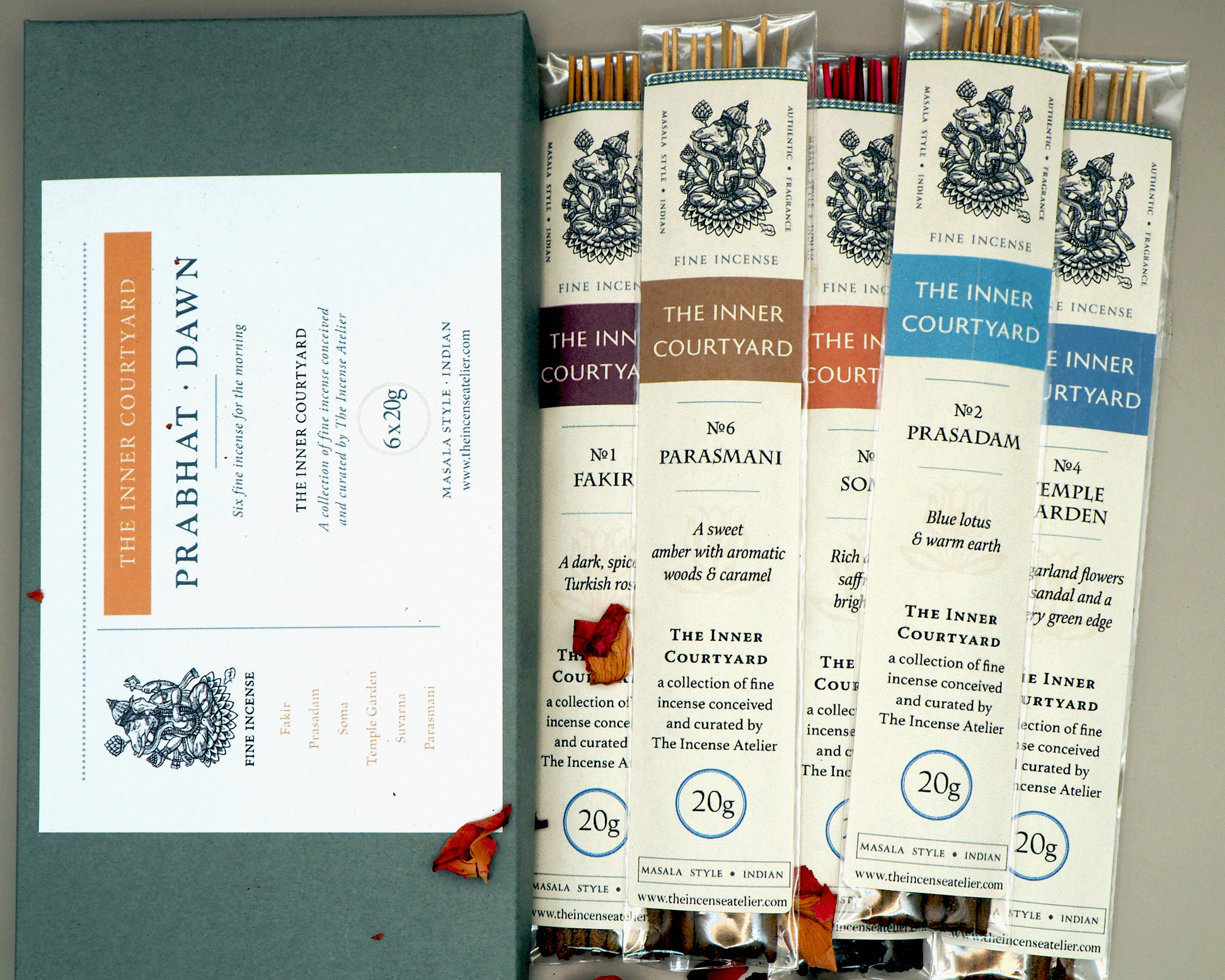
A box with packets of incense next to it.
Behind the labels
Each stick got its own small design job: a name in keeping with the others, a fragrance line short enough to read at a glance, and a band of colour that matches what's inside the packet rather than something chosen for the sake of variety. Some of that was straightforward. Some of it took weeks — a stick would get renamed, or a colour would look right on screen and wrong next to its neighbours on the shelf, and we'd start again.
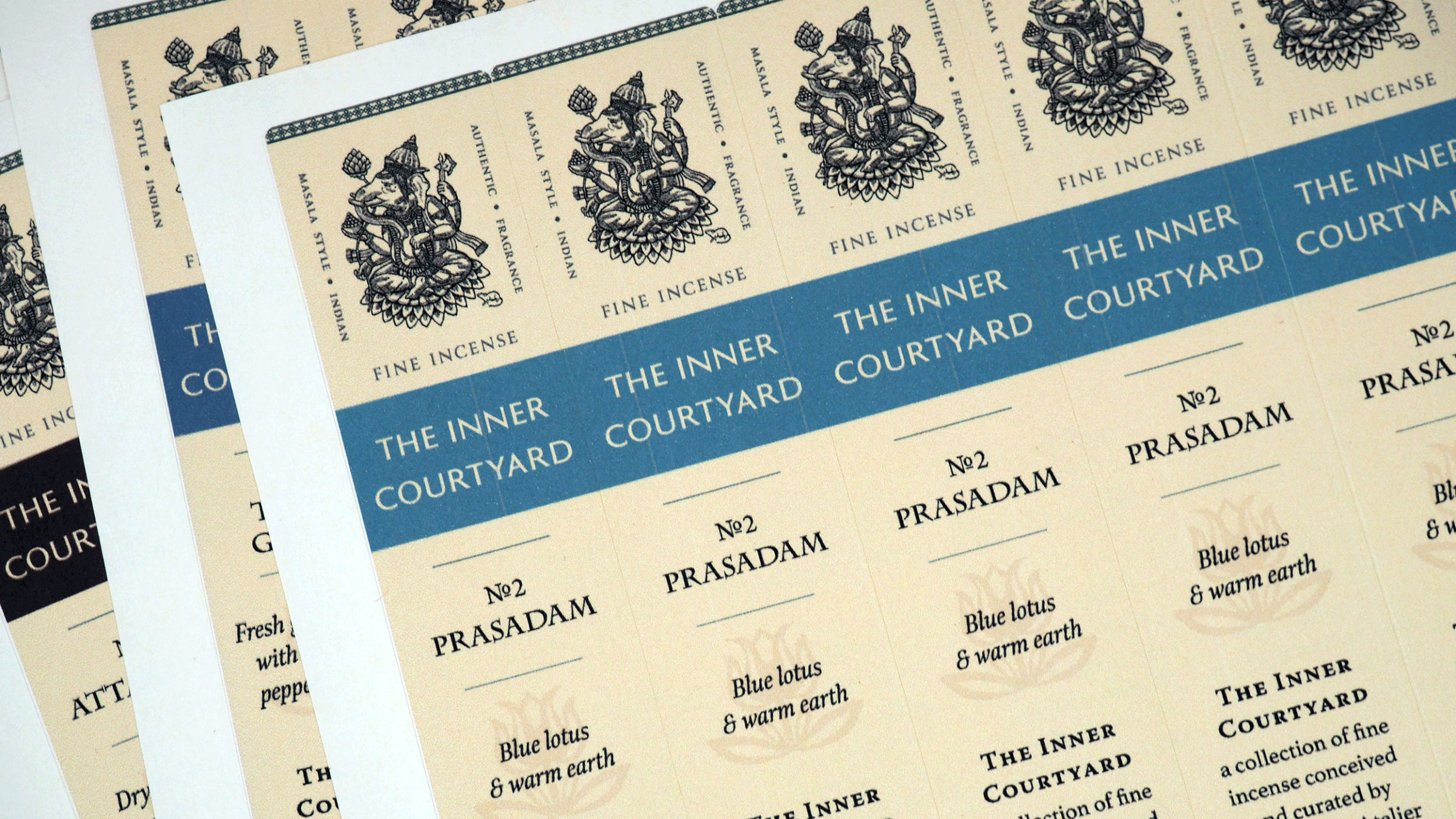
Sheets of printed labels.
The beautiful Ganesha and the type layout run across all twelve, so the range reads as one thing even though every stick is different in character.
Not everything went to plan
The postcards that were meant to go out with the first boxes came back from the printer with a guillotining fault — one edge cut too close, right into the wide border around the edge so that one border was wide and the other narrow. The card stock itself was lovely but the error, although small, seemed to ruin the postcards which we had taken trouble to create. We asked for a reprint rather than a refund, and the printer reprinted the whole run without complaint which was very obliging (printed.com, btw, we plan to use them again).
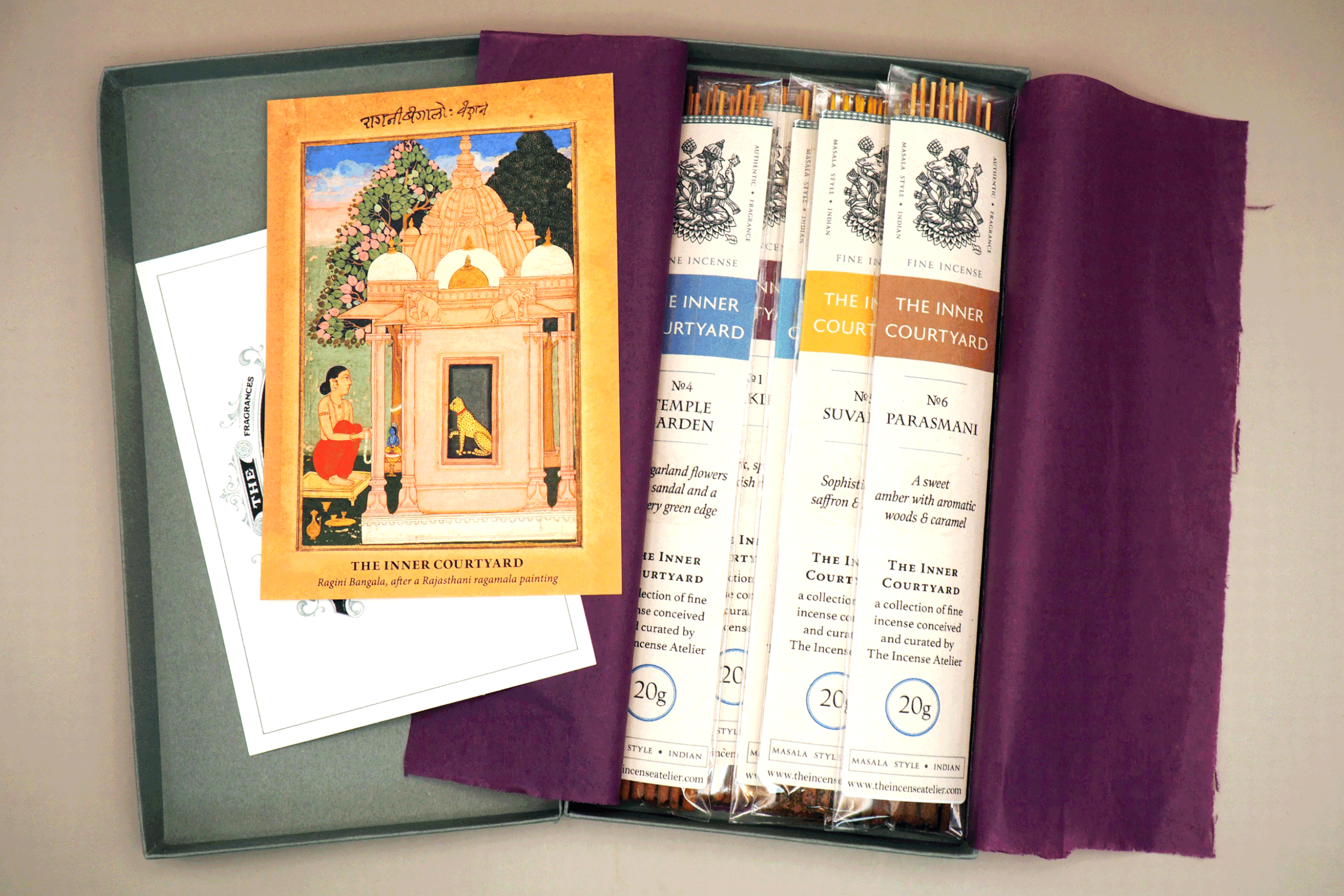
An open box with contents and postcard.
Try them
Sandhya (Dusk) and Prabhat (Dawn) — six incense apiece chosen over many months from makers across India. If you’re familiar with masala incense we think you'll enjoy what we've chosen. If you aren’t, it's a wonderful way in.
We loved putting this together, and we're already thinking about a third collection before the end of the year — possibly bringing in an authentic Kasturi and a Vrindavan style Kesar Chandan, two favourites that didn't make into this first collection.
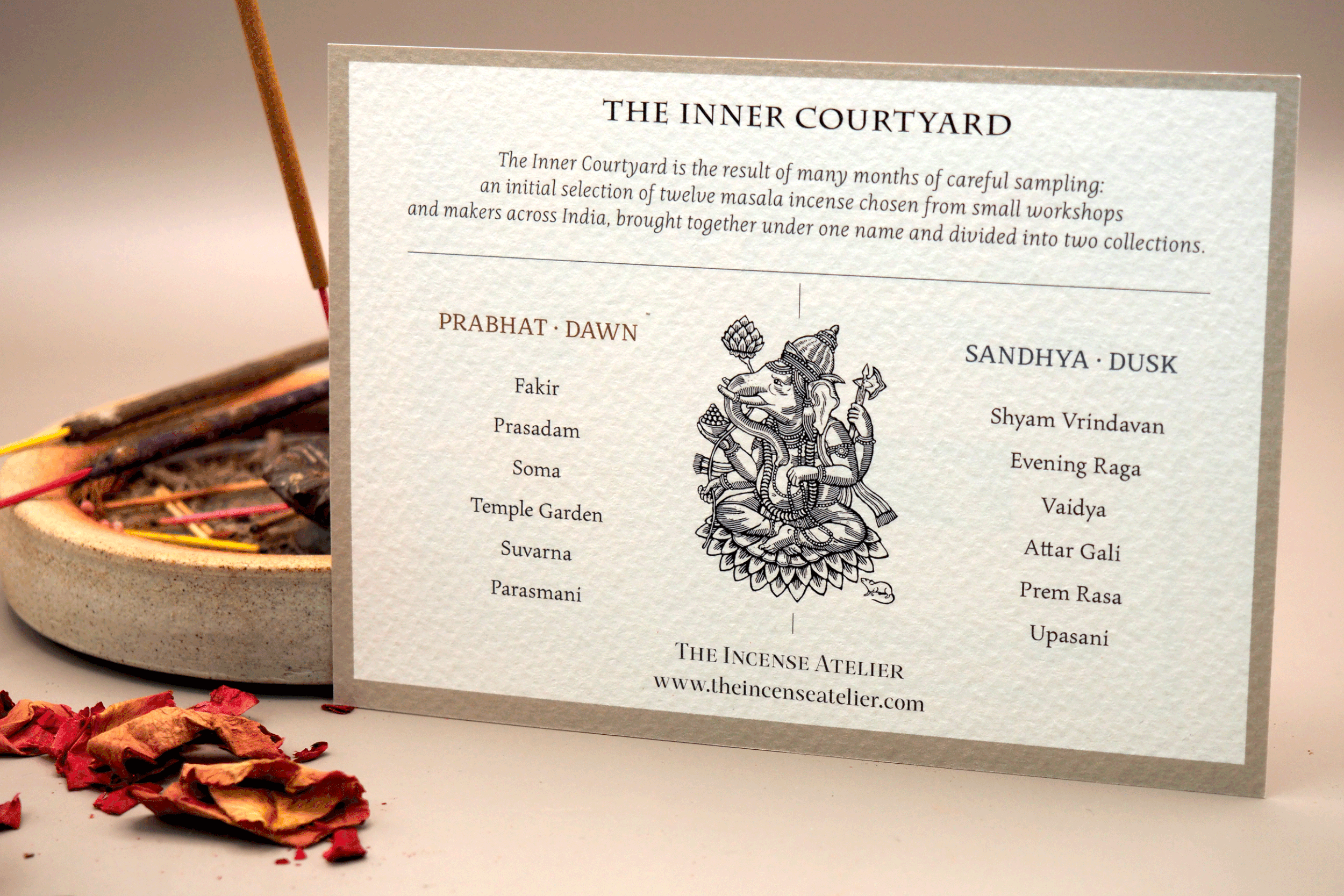
A postcard with a printed key to the names of incense.